Keeping your property safe and well-maintained requires attention to more than just visible landscaping. Trees play an important role in both the appearance and structure of your outdoor space, but when they become damaged, unstable, or unhealthy, they can pose serious risks. In these situations, tree removal becomes a necessary step in protecting your home, your family, and your investment. Proactively addressing these concerns also helps maintain the overall usability of your outdoor space, ensuring that your yard remains both functional and visually appealing throughout the year.
Many property owners wait until a tree shows obvious signs of failure before taking action. However, risks often develop long before they are visible. Structural weakness, disease, or environmental damage can compromise a tree’s stability, making it more susceptible to falling or causing damage during severe weather. Addressing these concerns early helps reduce the likelihood of costly repairs and safety hazards while also preserving nearby landscaping and structures that could otherwise be affected.
According to the University of Maryland, tree removal should be strongly considered when approximately one-third of a tree’s interior shows signs of rot or hollowing, as this level of internal damage significantly weakens structural integrity. This highlights how important it is to evaluate tree health before visible issues become dangerous and reinforces the value of regular inspections and professional assessments.
We’ve seen how proactive decisions can make a meaningful difference in maintaining safe and functional properties. Here are the key ways expert tree removal helps secure your property and support long-term outdoor stability while improving overall peace of mind for property owners.
Identifying Structural Tree Damage
Recognizing Internal Decay
Trees can appear healthy on the outside while experiencing significant internal damage. Decay within the trunk weakens the structure, making it more likely to fail under pressure. Tree removal becomes necessary when internal deterioration reaches a point where the tree can no longer support itself safely. Identifying these hidden issues early helps prevent unexpected failures that could otherwise lead to serious damage.
Observing Visible Cracks and Splits
Cracks in the trunk or large limbs are often indicators of structural stress. These openings can expand over time, especially during storms or high winds. Addressing these issues through professional evaluation helps determine whether removal is the safest option and prevents small defects from turning into major structural failures.
Monitoring Leaning Trees
A tree that begins to lean unexpectedly may have root damage or compromised stability. While some trees naturally grow at an angle, sudden changes in position can signal a serious problem. Tree removal helps prevent potential collapse and damage to nearby structures while maintaining the safety of surrounding areas.
Evaluating Root System Stability
Roots provide the foundation for a tree’s stability. When they become damaged due to soil erosion, construction, or disease, the entire structure is affected. Assessing root health is a critical step in determining whether a tree can remain safely in place. Understanding structural damage is one of the most important factors in deciding when removal is necessary for property protection.
Preventing Property Damage Risks
Protecting Roofs and Structures
Overhanging branches and unstable trees can pose a direct threat to buildings. Falling limbs or entire trees can cause significant damage to roofs, siding, and other structures. Tree removal helps eliminate these risks before they result in costly repairs and helps maintain the integrity of your home.
Reducing Storm-Related Hazards
Severe weather increases the likelihood of tree failure. High winds and heavy rain can quickly turn a weakened tree into a major hazard. Removing vulnerable trees in advance helps protect your property during unpredictable conditions and reduces the chances of emergency situations.
Safeguarding Outdoor Features
Landscaping elements such as fences, patios, and driveways can also be affected by falling debris. Addressing tree concerns early helps preserve these features and maintain the overall condition of your outdoor space while preventing unnecessary repairs.
Minimizing Unexpected Repairs
Unexpected damage often leads to emergency repairs and additional expenses. Proactive tree removal helps reduce these risks by addressing potential problems before they escalate. Preventing damage is a key reason many property owners invest in professional removal services.
Improving Safety Around Your Property
Reducing Falling Branch Risks
Dead or weakened branches can fall without warning, posing a risk to people, pets, and property. Removing hazardous trees helps create a safer environment for everyday activities and reduces the likelihood of accidents.
Enhancing Visibility and Accessibility
Overgrown or poorly positioned trees can obstruct pathways, driveways, and sightlines. Tree removal improves visibility and makes it easier to navigate outdoor areas safely while enhancing overall accessibility.
Supporting Safe Outdoor Use
Clear, open spaces encourage safe use of your yard for gatherings, recreation, and daily activities. Eliminating potential hazards helps create a more functional environment and allows you to enjoy your outdoor space with greater confidence.
Protecting Nearby Utility Lines
Trees that grow too close to power lines or other utilities can create dangerous situations. Professional evaluation helps determine when removal is necessary to prevent interference or damage. Improving safety is one of the most immediate benefits of addressing tree concerns through proper removal.
Maintaining Landscape Health and Balance
Eliminating Diseased Trees
Diseased trees can spread issues to surrounding vegetation if not addressed. Removing affected trees helps protect the health of your entire landscape and supports long-term plant vitality.
Reducing Competition for Resources
Overcrowded areas can limit access to sunlight, water, and nutrients. Tree removal allows remaining plants to thrive by reducing competition and promoting healthier growth patterns.
Encouraging New Growth
Removing unhealthy or poorly placed trees creates space for new planting opportunities. This supports a more balanced and visually appealing landscape while allowing for future improvements.
Improving Overall Appearance
A well-maintained yard enhances curb appeal and reflects ongoing care. Removing damaged or unsightly trees contributes to a cleaner and more organized outdoor space. Landscape health and balance are important considerations when evaluating the need for removal.
Supporting Long-Term Property Value
Enhancing Curb Appeal
A property with well-maintained trees and landscaping is more visually appealing. Tree removal helps eliminate elements that detract from the overall appearance and supports a polished look.
Reducing Liability Concerns
Hazardous trees can create liability risks if they cause damage or injury. Addressing these concerns helps protect property owners from potential issues and ensures a safer environment.
Maintaining Structural Integrity
Protecting buildings and outdoor features contributes to long-term property value. Removing unstable trees helps preserve these elements and supports overall property stability.
Supporting Future Improvements
Clearing space allows for future landscaping or construction projects. This flexibility supports ongoing property development and enhancement. Investing in tree removal helps maintain and improve property value over time.
Ensuring Reliable and Professional Results
Using Proper Equipment
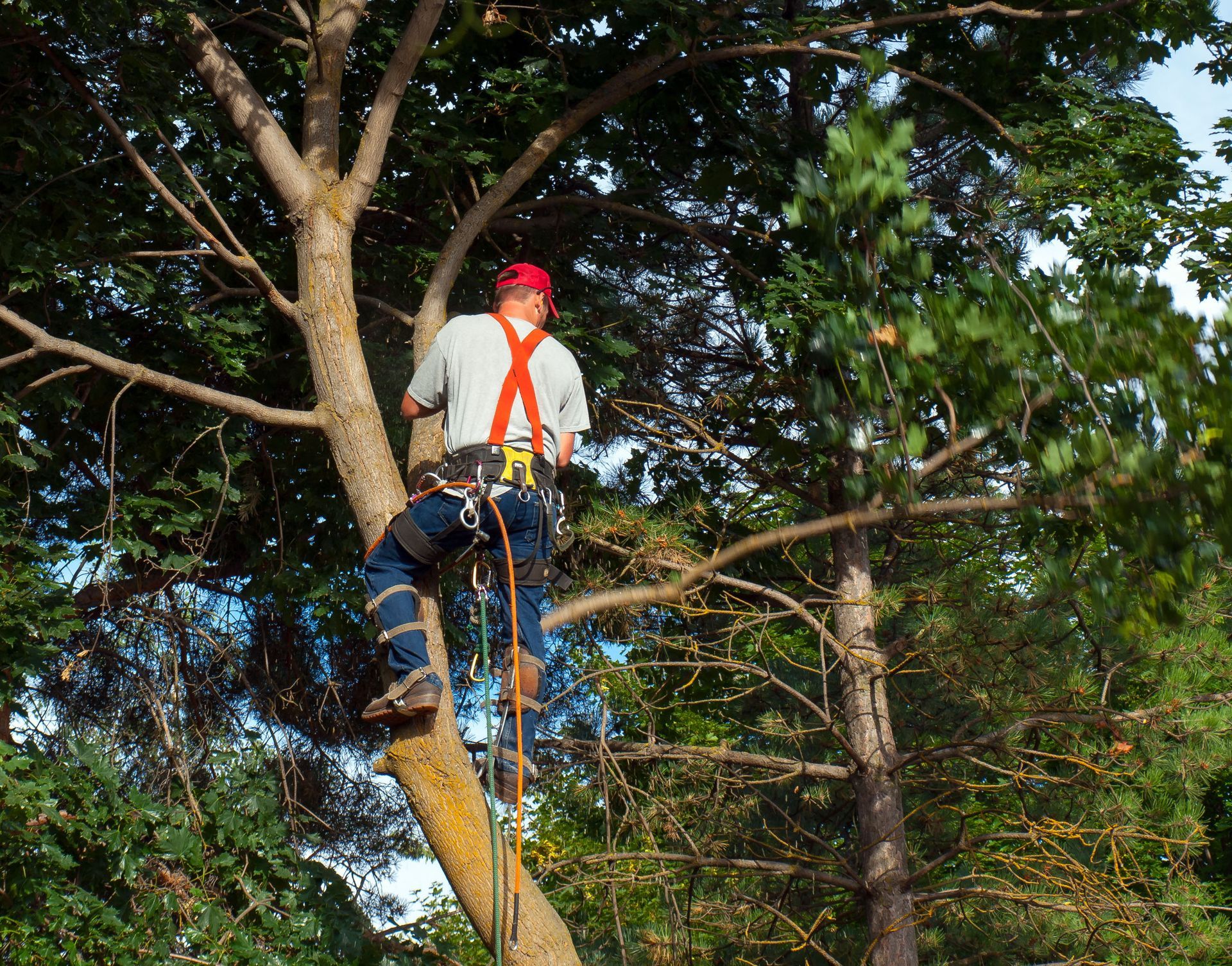
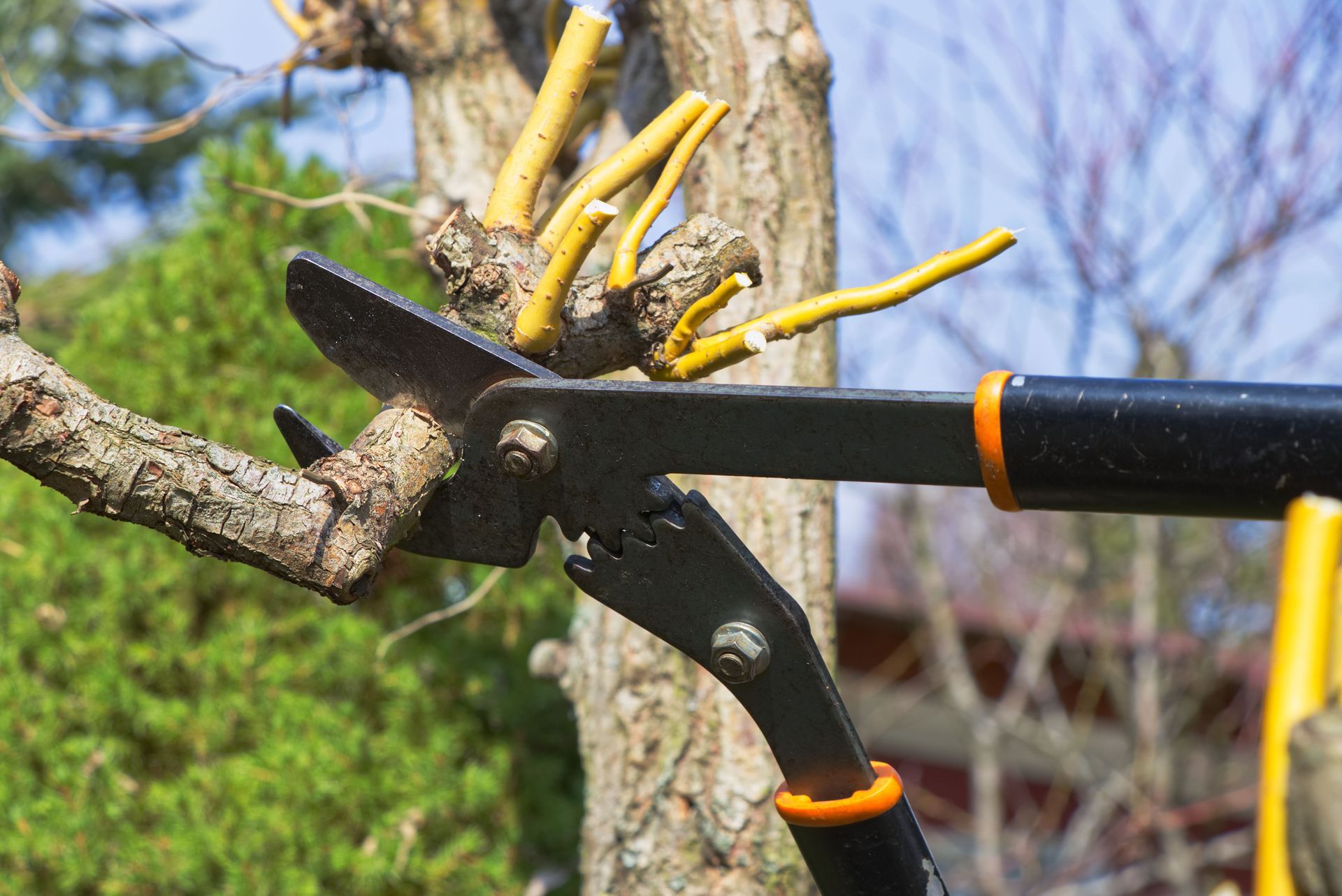
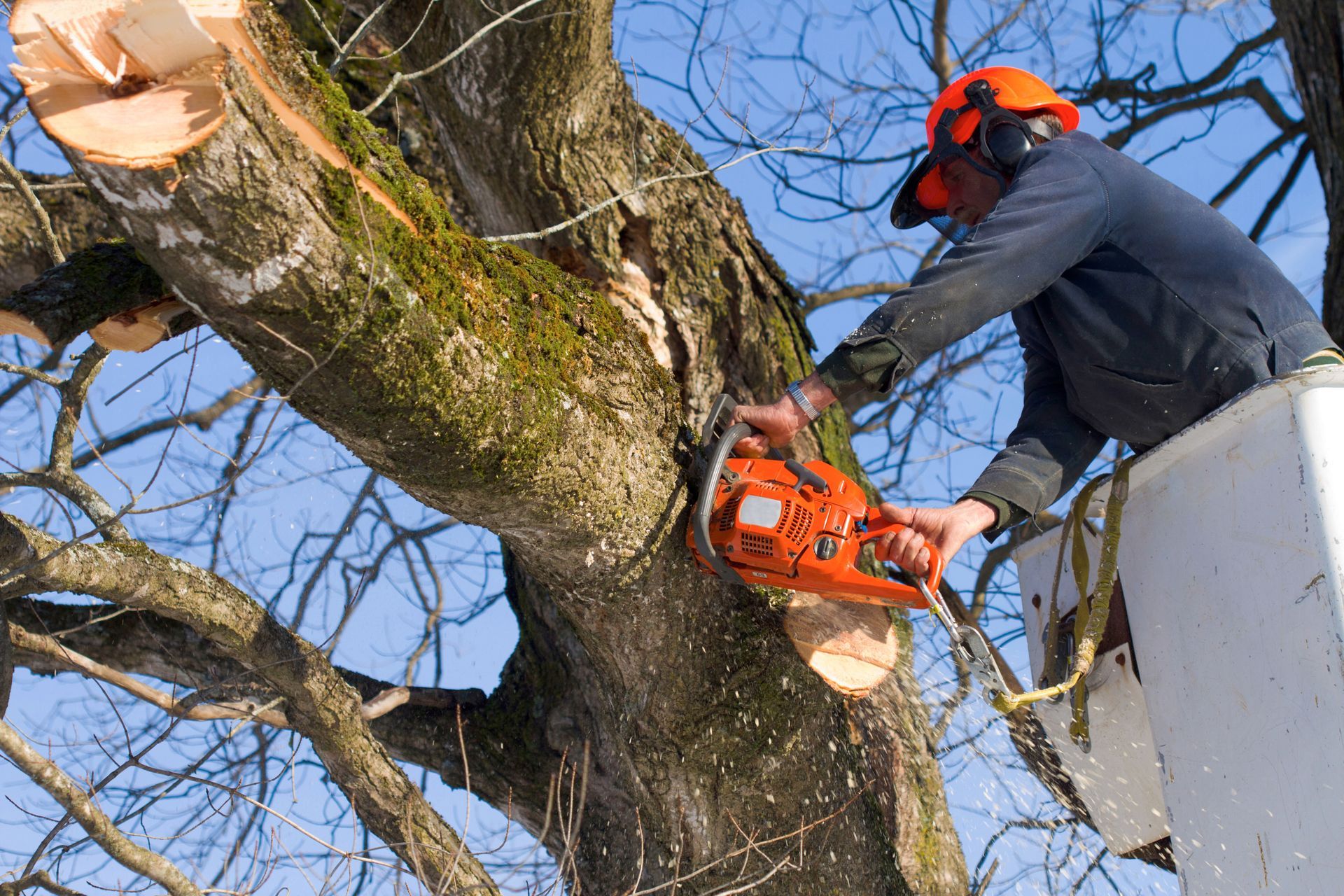
Tree removal requires specialized equipment to handle large or complex projects safely. Professional teams use the right tools to ensure efficient and controlled removal while minimizing disruption to the surrounding area.
Following Safety Standards
Strict safety guidelines help protect both workers and property during the removal process. Adhering to these standards ensures consistent and reliable outcomes and reduces risks during the project.
Managing Debris Effectively
Removing a tree also involves handling debris and cleanup. Proper management helps restore the site and maintain a clean environment while preparing the area for future use.
Delivering Consistent Results
Experienced professionals provide dependable service, ensuring that each project is completed with attention to detail and care. Professional expertise plays a key role in achieving safe and effective removal outcomes.
Securing your property involves more than routine maintenance—it requires recognizing potential risks and addressing them proactively. From structural damage and safety concerns to landscape health and property value, each factor plays a role in determining when removal is necessary. Taking a comprehensive approach helps ensure that your property remains both safe and visually appealing.
By taking a proactive approach, property owners can prevent damage, improve safety, and maintain a well-balanced outdoor environment. Addressing these concerns early helps ensure long-term stability and performance while reducing the likelihood of unexpected issues.
If you’re ready to protect your property and improve your outdoor space, contact SkyHook Tree today to learn how expert tree removal services can deliver safe, reliable, and lasting results.