November 12, 2026
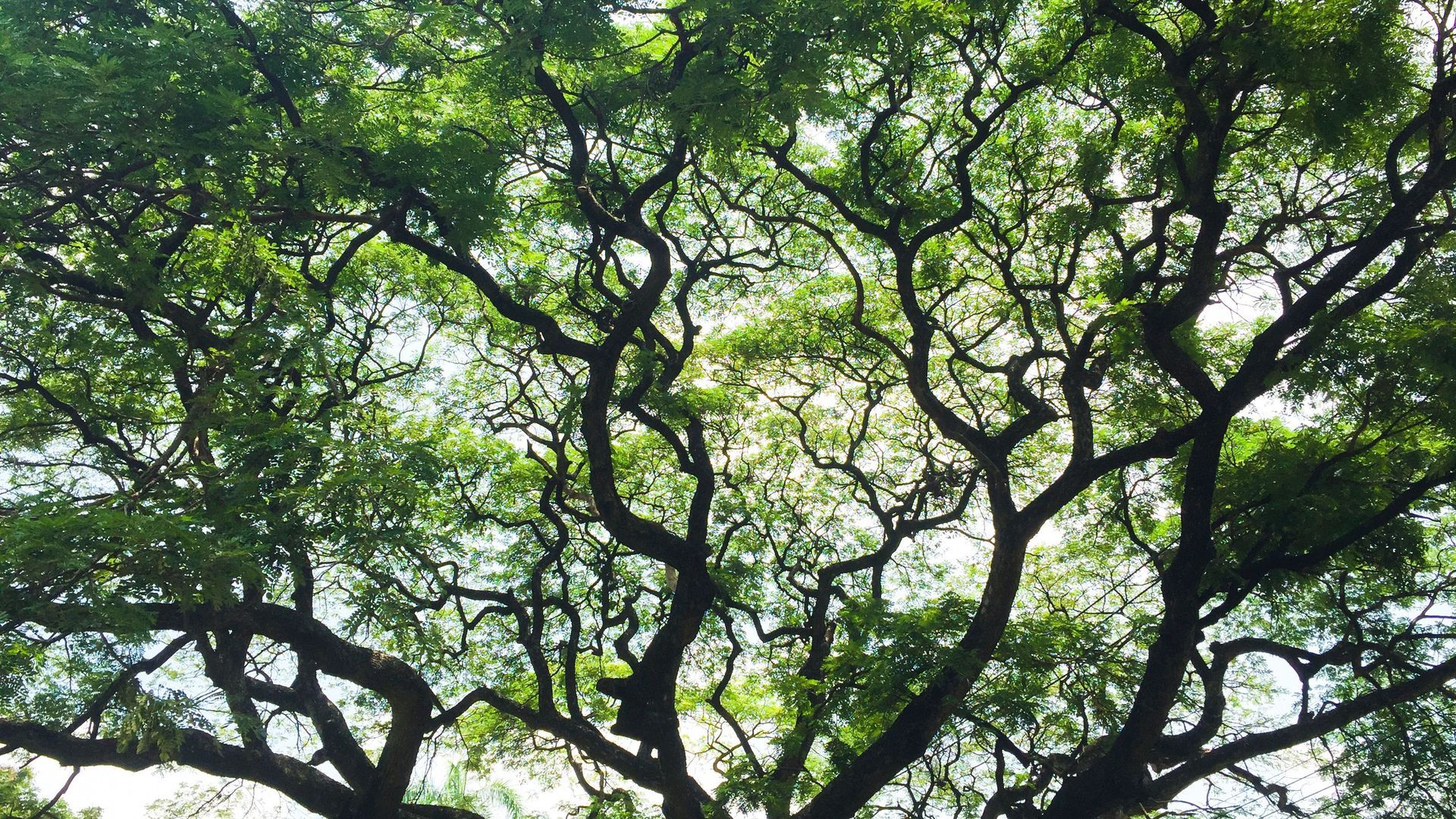
Trees enhance landscapes, provide deep shade, and offer tremendous environmental benefits to any neighborhood. People appreciate the natural beauty that mature hardwoods and evergreens bring to residential and commercial properties. A vibrant, healthy canopy improves local air quality and stabilizes the surrounding soil against erosion. According to the Arbor Foundation, 95% of Americans report that they find value in trees. This deep appreciation makes the decision to cut down a beloved oak or elm difficult for property owners to accept.
Nature remains unpredictable, and disease or severe weather damage can compromise structural integrity without warning. Recognizing the indicators of a failing specimen is essential for maintaining strict property safety standards. Ignoring visual cues of deterioration can result in catastrophic property damage or severe personal injury. Property owners must remain vigilant throughout the seasons and initiate tree removal when specific warning signs appear on the landscape.
1. Identifying Severe Root Instability
The root system serves as the foundational anchor for the entire organism. Roots gather water and essential nutrients from the surrounding soil while holding the massive weight of the trunk and branches above ground. A compromised foundation places the entire structure at risk of a sudden collapse. Visible disturbances around the base indicate serious underground problems requiring immediate attention from property managers.
Soil heaving around the base serves as a prominent indicator of underground instability. When the ground pushes upward on a specific side of the trunk, the root plate is failing to hold its necessary grip. This lifting effect demonstrates that the massive structure is beginning to uproot from the earth. Such mechanical failure creates an imminent falling hazard for nearby structures and unsuspecting inhabitants.
Fungi growing on the root flares or near the base signal critical decay. Mushrooms feeding on the roots indicate that the structural wood is rotting away under the soil line. Decay compromises the mechanical strength needed to keep the structure upright during intense wind storms. Under such dire circumstances, prompt tree removal becomes the only viable solution for restoring safety to the premises.
Severed roots from recent construction or landscaping projects destabilize the foundation. Trenching for underground utilities or digging for hardscaping often severs major support anchors. Without these critical appendages, the specimen loses both its nutritional supply line and its physical support base. The resulting stress causes rapid biological decline and leaves the wooden structure vulnerable to toppling over in future weather events.
2. Detecting Structural Trunk Damage
The trunk acts as the main support column and the central highway for water and nutrient distribution. Any significant damage to this central pillar threatens the life and stability of the entire organism. Vertical cracks splitting the thick bark indicate extreme stress and internal mechanical failure. Deep fissures running down the main column compromise the critical load-bearing capacity of the solid wood.
Cavities or massive hollow areas within the main column present another serious hazard. Wood-decay organisms hollow out the center, leaving a thin shell of living tissue to support the canopy above. This hollow cylinder lacks the necessary structural strength to withstand basic environmental pressures. A hollow structure can snap in half without warning during a routine rainstorm.
Peeling bark that falls away in large chunks points to dead or dying tissue underneath the surface. Healthy bark protects the delicate cambium layer responsible for internal growth and nutrient transport. When sections of this protective armor fall off, dead wood becomes exposed to insects and further rot. Such extensive bark loss necessitates immediate tree removal to prevent unexpected structural collapses.
A sudden, severe lean indicates that the main column is no longer capable of supporting its own massive weight. While some specimens grow at a slight angle, a new or worsening tilt signifies active root or trunk failure. The shifting center of gravity places immense strain on the remaining intact wood fibers. This unnatural posture precedes a complete and total structural failure.
3. Observing Major Crown Dieback
The canopy, or crown, serves as the primary energy production center through the process of photosynthesis. Healthy branches display vigorous leaf growth during the appropriate growing seasons. When upper sections fail to produce foliage, the organism is experiencing severe stress or systemic biological decline. This phenomenon, known as crown dieback, indicates that the vascular system can no longer push nutrients to the highest points.
Dead branches hanging in the upper canopy present a direct threat to anything situated below. These heavy limbs, detached from the internal life support system, turn brittle and weak over time. Wind or ice can dislodge these massive wooden projectiles, causing them to crash onto roofs or parked vehicles. Scheduling tree removal prevents these heavy widow-makers from causing catastrophic harm to innocent bystanders.
Leaves changing color out of season or dropping premature foliage signal severe health issues. While autumn brings natural seasonal color shifts, summer yellowing indicates internal vascular blockages or profound soil deficiencies. The inability to maintain healthy foliage throughout the growing season points to a failing biological system. This decline rarely reverses itself once a significant portion of the upper crown is affected.
A lopsided or asymmetrical canopy develops when a specific side of the organism dies off. This uneven distribution of weight acts like a massive sail catching the wind, pulling the entire structure toward the heavier side. The unbalanced load stresses the trunk and roots beyond their natural load-bearing capacity. The resulting mechanical strain increases the overall likelihood of the entire organism falling.
4. Recognizing Advanced Disease Symptoms
Pathogens and invasive pests ravage solid wood, compromising both biological health and basic mechanical stability. Invasive insect species bore into the bark, creating deep galleries that disrupt nutrient flow and weaken the physical structure. The presence of fine sawdust at the base or tiny exit holes in the bark indicates an active, severe infestation. Once destructive insects colonize the main trunk, recovery is rare.
Bacterial infections manifest as oozing cankers or discolored sap bleeding from the outer bark. These destructive lesions destroy the vital cambium layer, choking off the internal circulation system. The infected areas rot and become brittle, creating localized weak points that are prone to snapping. As the active infection spreads, the structural integrity of the surrounding wood continues to degrade at a rapid pace.
Fungal conks protruding from the main trunk indicate advanced internal decay. These shelf-like growths feed on the structural lignin and cellulose that give solid wood its inherent strength. The visible fungus represents a fraction of the invisible decay spreading throughout the interior heartwood. Discovering these fruiting bodies means the wood is rotting, making tree removal a necessary safety precaution for the surrounding area.
Certain diseases spread to neighboring vegetation if left unchecked by property management. Microscopic pathogens travel through the air, groundwater, or interconnected root systems to infect healthy specimens nearby. Eliminating the infected host protects the surrounding landscape from similar devastation. Prompt action halts the dangerous transmission cycle and preserves the overall health and beauty of the local environmental ecosystem.
Recognizing the distinct indicators of structural failure remains a vital responsibility for property owners and facility managers. From root heaving and hollow trunks to dying canopies and advanced fungal infections, these signs point to imminent danger. Nature provides clear visual warnings before a catastrophic failure occurs on the premises. Observing the landscape with a critical eye prevents unpredictable accidents and severe property damage.
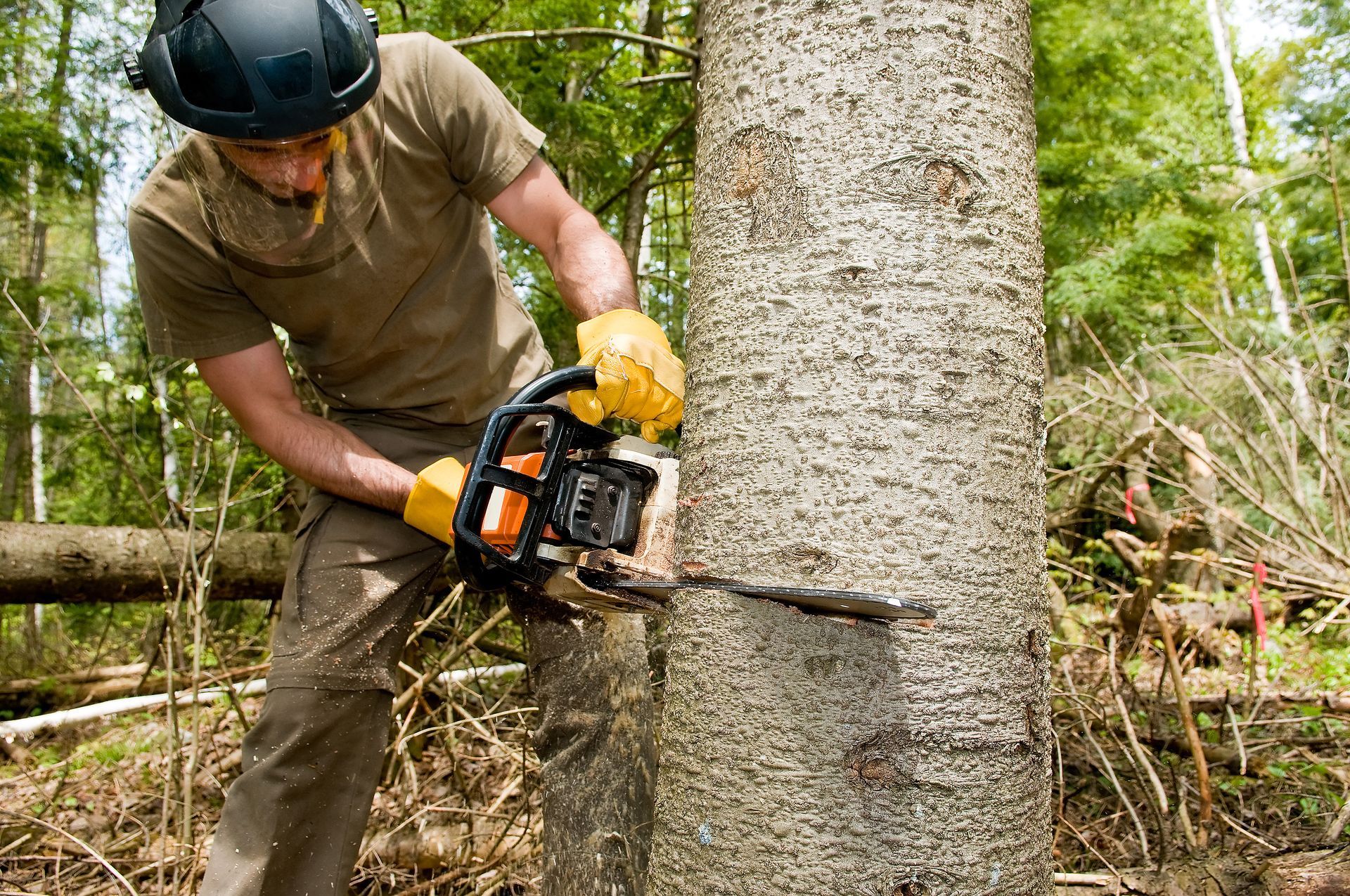
Ignoring dead or dying wood puts homes, vehicles, and human lives at unnecessary risk. A proactive approach to property maintenance demands swift action when deep decay and physical instability become apparent. Protecting the surrounding environment requires eliminating hazards before gravity takes control of the situation. Initiating tree removal at the first sign of terminal decline ensures the continued safety of the entire property. If you spot any of these hazardous warning signs on your property, reach out to us at SkyHook Tree for an immediate safety evaluation. We are fully equipped to handle your tree removal safely before catastrophic damage occurs.